
Opinion: Forward - thinking farmers are preventing another Dust Bowl
After a very wet spring in ۲۰۱۱ that delayed planting, the ۲۰۱۲ crop season looked promising as planting conditions were optimal. The outlook was refreshing as it meant few setbacks on the crop. However, the good conditions during planting quickly turned as our family waited and waited for moisture. Unfortunately, when the rains did arrive, they were few and far between.
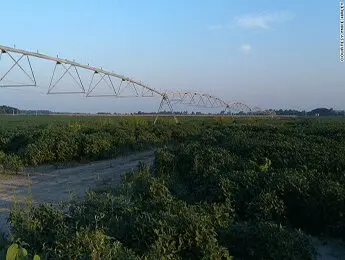
This has turned into the worst drought our family has seen in generations. And more importantly, the drought this year is not isolated to my local community - our nation has not faced a drought this severe since the 1930s when the Dust Bowl completely devastated American agriculture. July temperatures reportedly broke records set during the Dust Bowl. During the 2012 crop year, the U.S. Department of Agriculture (USDA) designated roughly half of all U.S. counties - 1,496 in 33 states - as disaster areas because of the drought.
Our current hot and dry conditions are unlike what our country has experienced for decades. And it ' s true that it is significantly impacting farmers ' and ranchers ' livelihoods. It ' s also true that for some types of food, the American people could feel it in our wallets in the coming months(or years), with the USDA predicting that consumers can expect to pay up to ۴ percent more for groceries in ۲۰۱۳.
But the impact on consumers, overall food prices and the toll on our daily lives are minimal compared to the devastating hardship that Americans faced during the ۱۹۳۰s. This drought - while difficult for some farmers and ranchers who are suffering severe crop losses and faced with selling livestock they have been building for generations - may be only minor for most Americans. Why?
Our entire food ecosystem is better equipped than ever to withstand potentially catastrophic events. That is thanks to a commitment to continuous improvement from generations of America ' s farmers, ranchers and the others focused on the farm and their careful stewardship of the land as they grow and raise food.
Many innovations - some developed during the drought of the ۱۹۳۰s - are helping to shield farming and ranching operations from the worst of our current drought, including sophisticated water management, pest control, soil conservation, modern seed varieties and hybrids, and food distribution.
Water management improves every year. Farmers and ranchers have developed the world ' s most complex, efficient water management systems. Many farmers now use high - tech conservation solutions such as GPS programming for variable rate irrigation(VRI) systems to map out their farmland and pinpoint what areas require what amounts of water. With the use of GPS, farmers know exactly what, how much, and where to use any and all inputs(water, fertilizer and more). GPS allows farmers using these technologies to locate the soil ' s needs down to the square foot, reducing environmental impact and conserving natural resources.
In ۱۹۳۶, bugs and other natural predators wiped out what few crops were left after the Dust Bowl swept through. Today, farmers and ranchers use precise and carefully calculated methods for controlling bugs, making sure their crops - which make their way to our kitchen tables - grow healthy and protected.
This year on our farm we have had to carefully monitor our fields for insects that thrive during dry weather like spider mites, and determine when it was necessary treat portions of the field before they destroyed the entire field. In some situations, that was a tough decision, as we were trying to save a crop that already seemed doomed to fail.
In ۱۹۳۵ Congress passed the Soil Conservation Act, which helped farmers find new ways to protect soil from water and wind erosion. Farmland conservation remains a critical part of our agriculture culture. Modern farmers and ranchers use new ways to care for the soil without tilling, keeping it rich and ready for growing – and in place even when we ' re experiencing a drought.
During the Dust Bowl era, tilling soil(or loosening it) was a common practice on farms, making the heavily tilled, loose soil more susceptible to literally turning to dust and blowing away when it became too dry. Approximately ۳۵.۵ percent of U. S. cropland(۸۸ million acres) is currently planted without tilling(according to ۲۰۰۹ USDA numbers).
Modern seeds now make growing easier. Over time, farmers and ranchers started using seed hybrids developed to be more drought - tolerant. According to leading seed - supply companies, through conventional breed techniques, drought tolerance in corn hybrids has improved ۱ percent each year for the past several decades. In years like this, hybrid seeds mean farmers and ranchers can still grow some healthy, productive crops, despite the weather. For the rest of us, it means many of the foods we rely on and love to eat will still be in the grocery store.
Farmers also now have a network of distribution. In ۱۹۳۵, the federal government ' s Drought Relief Service started redistributing surplus foods to families nationwide. The program provided needed food to more people and gave farmers a better price than at local markets.
The local food movement of today brings more people closer to the how their food is grown and raised. But without our country ' s complex infrastructure and industry distribution systems, places where the drought is most prominent would have serious problems providing choices to their local populations.
Yes, we ' re already feeling the effects of the ۲۰۱۲ drought - on farmers and ranchers, on people who process food, on consumers, on all of us. But we ' re a far cry from the ۱۹۳۰s.
The difference? Continuous improvement by America ' s farmers and ranchers and advancements within agriculture through the use of new technologies.
We'll still have the world's most plentiful access to fresh fruits and vegetables, meat, dairy and other affordable food choices, and farmers and ranchers will be paving the way to the next evolution of making the most of our land and crops. By the time the next major drought rolls around, we'll be even better prepared.